
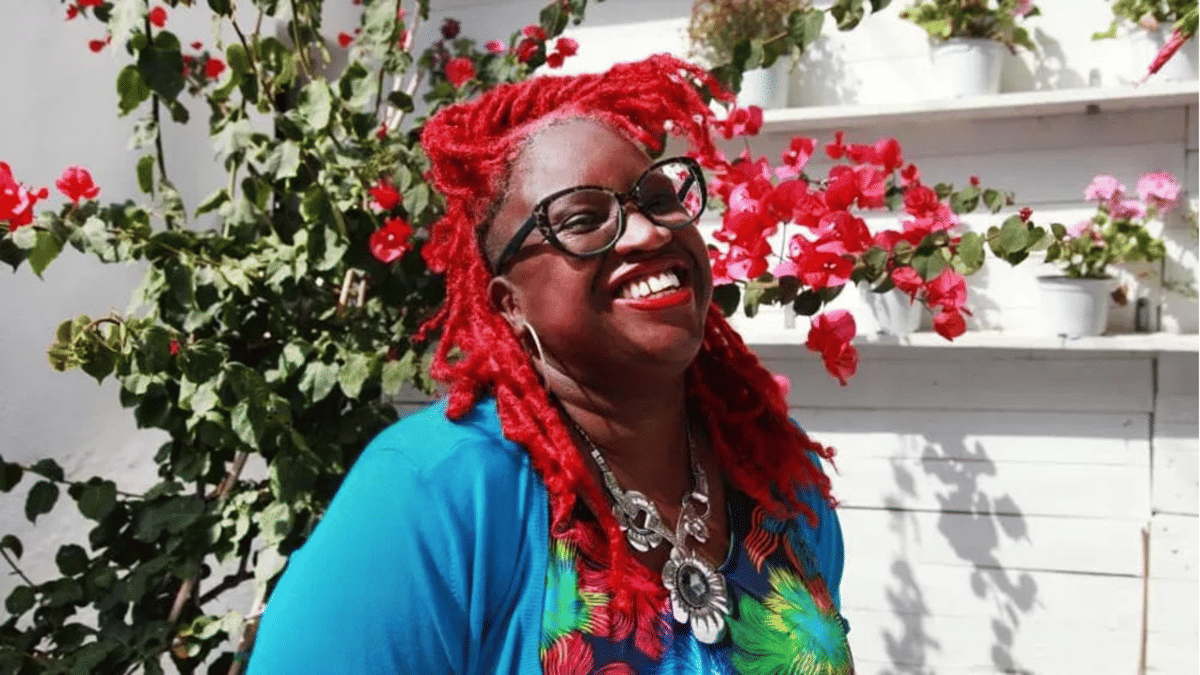
In the world of standup comedy, the allure of laughter often masks the underlying economic challenges faced by comedians. As Ninia Benjamin, a seasoned stand-up comedian, actor, and writer, shares in a recent episode of You Should've Been Here Last Week with hosts Steve Gribbin and Paul Ricketts, the comedy industry is at a crossroads - grappling with issues of value, economic sustainability, and the evolving landscape of humour.
A Job Like No Other
For many comedians, the journey into comedy is not a straightforward career path. Ninia herself never intended to become a stand-up comedian; it was a "divine accident" that led her to the stage. The freedom to express one's point of view and make strangers laugh is a unique aspect of the job, but it comes with its own set of challenges. As Ninia points out, the best part of comedy is when the audience "gets you and follows you," a connection that takes years to cultivate.
Economic Realities and the Value of Comedy
One of the pressing issues in the comedy industry is the economic value placed on comedians' work. Ninia highlights a critical problem: many comedians do not fully understand or assert their worth. The fees for gigs have remained stagnant for years, failing to keep pace with rising costs of living and inflation. This economic disparity is not just a matter of personal income but affects the entire ecosystem of live comedy. As Ninia passionately argues, "Not enough comics value their worth," leading to a cycle where low fees are accepted, and the quality of performances suffers as a result.
The Future of Comedy Clubs
The future of comedy clubs is uncertain, with many facing closure due to economic pressures. Ninia warns that audiences, burdened by their own financial constraints, are less willing to take a chance on unknown comics at local clubs. Instead, they prefer to spend their money on established names like Mickey Flanagan or Michael McIntyre, where laughter is guaranteed. This shift in audience behaviour poses a significant threat to the traditional comedy circuit, which has long been a breeding ground for new talent.
A Call for Unity and Change
For the comedy industry to thrive, there needs to be a collective effort among comedians to recognise and demand fair compensation for their work. Ninia's insights reveal a need for unity within the community to address these economic challenges. By valuing their craft and advocating for better pay, comedians can ensure that the industry remains vibrant and sustainable for future generations.
Conclusion
The state of the comedy industry is a reflection of broader economic trends, where the value of creative work is often undervalued. As comedians like Ninia Benjamin continue to navigate these challenges, their stories and experiences serve as a reminder of the resilience and passion that drive the world of comedy. For those who love to laugh, supporting local comedy clubs and valuing the work of comedians is more important than ever.
Listen to the full episode of this podcast featuring Ninia Benjamin now:
Find out more: You Should've Been Here Last Week